




Michigan Farm Leader Warns Federal Aid Won’t Offset Losses
December 23, 2025
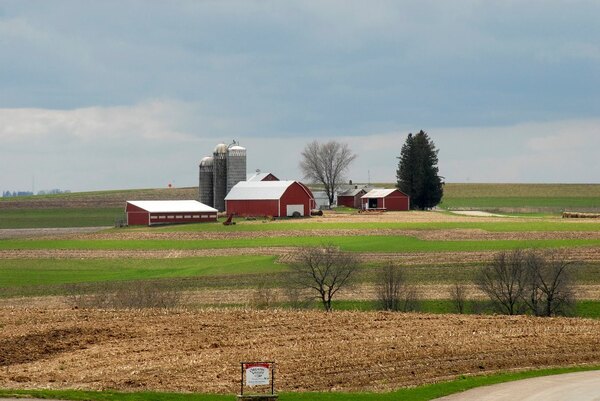
Jessica Mathews / Public News Service / News@whmi.com
Farm industry leaders in Michigan and across the country say a new federal aid package announced - including $12 (B) billion in one-time “bridge payments” to farmers - won’t come close to offsetting mounting losses tied to trade disruptions and rising input costs.
Michigan is home to more than 40,000 farms and nearly 10 million acres of farmland – and agriculture contributes more than $100 (B) billion a year to the state’s economy.
Bob Thompson, who heads the Michigan Farmers Union, says tariffs have significantly disrupted income for small family farms across the state. He said "The income levels that we had anticipated are out the window. Our markets have pretty much dried up. The input costs have risen dramatically. Your family farmers are squeezed right to the bone."
Ben Lilliston, with the Institute for Agriculture and Trade Policy, says for farmers, there's just a huge amount of uncertainty going into 2026. He commented "They don’t know how real these trade agreements actually are. They don’t know what the market’s going to look like – they have to make planting decisions soon. I think that is the real concern. It's causing an enormous amount of stress."
And for farm families in Michigan, Thompson says that uncertainty is showing up in very real ways. He said "Bridge payments will undoubtedly go to cover bank notes, fertilizer bills – unlikely to actually put any money in a living account to buy our own groceries."
Federal officials say the $ 12 (B) billion package is meant as short-term relief, with payments expected by late February. They say longer-term trade and Farm Bill provisions take effect later.
National farm policy experts say the aid may help with short-term cash flow, but it doesn’t address deeper problems in the agricultural economy.