




Governor Expands State Of Emergency For Counties As Severe Weather Impacts State
April 16, 2026
Jessica Mathews / news@whmi.com
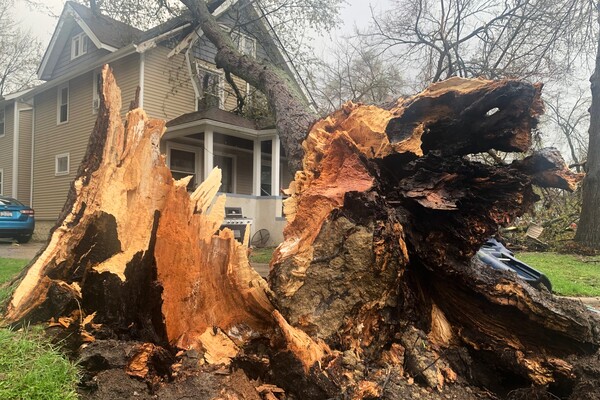
Governor Gretchen Whitmer declared a state of emergency for 32 additional counties as communities across the state deal with severe weather-related impacts from rising water levels, flooding, straight-line winds, and tornadoes.
Those added include Alcona, Allegan, Alpena, Antrim, Arenac, Barry, Benzie, Charlevoix, Clare, Crawford, Emmet, Grand Traverse, Gratiot, Iosco, Kalkaska, Lake, Leelanau, Manistee, Menominee, Missaukee, Montcalm, Montmorency, Newaygo, Oceana, Ogemaw, Oscoda, Osceola, Presque Isle, Roscommon, Saginaw, Shiawassee and Wexford Counties.
Whitmer said “Today, I’m declaring a state of emergency for 32 additional counties following severe weather. Significant snowmelt, record rain, flooding, straight-line winds, and tornadoes have damaged homes, roads, and businesses. This emergency declaration will help the state deploy additional resources to help local officials and first responders protect Michiganders and their property. The state will continue to coordinate with local governments and monitor the situation. I encourage everyone to stay updated and follow guidance from your local emergency manager. We will get through this together.”
On Friday, April 10th the Governor declared a state of emergency for Cheboygan County due to the threat of overtopping at the Cheboygan Lock and Dam Complex, which remains in effect.
On Tuesday, April 14th, the Governor activated the State Emergency Operations Center (SEOC) statewide to monitor weather-related events. That same evening, the Governor declared an energy emergency statewide due to a disruption of gasoline supply at the U.S. Energy Cheboygan terminal on the Cheboygan River.
By declaring a state of emergency, the governor has authorized the use of all available state resources to assist local response and recovery operations in the affected counties.
The Michigan State Police Emergency Management and Homeland Security Division (MSP/EMHSD) is coordinating the state’s emergency response through the SEOC. MSP troopers are on the ground assisting local emergency response efforts.
The declaration also allows eligible communities to seek financial assistance under Section 19 of Michigan’s Emergency Management Act, Public Act 390 of 1976, as amended. The funding helps local governments cover emergency response costs and repair public infrastructure damaged by the storms.