




MDNR: Choose Winter Pruning To Help Prevent Oak Wilt
December 20, 2025
Jessica Mathews / news@whmi.com
The Michigan Department of Natural Resources is encouraging winter pruning to help prevent oak wilt.
Oak trees across areas of the Lower Peninsula, as well as in Delta, Dickinson, Iron, Marquette and Menominee counties in the Upper Peninsula, are dying from oak wilt.
The Department says one of the best ways to help prevent oak wilt from infecting trees on properties is to avoid wounding them during the high-risk infection period, April 15th to July 15th. Winter is a safe time to prune oak trees.
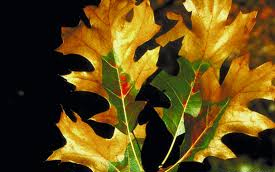
Oak wilt infection can be seen in a cluster of four oak leaves that are brown on the outer edges but still green in the center.
Caused by the fungus Bretziella fagacearum, oak wilt is fatal to oak trees - especially those in the red oak family. That includes black oak, northern red oak, and northern pin oak – all identifiable by their pointed leaf tips.
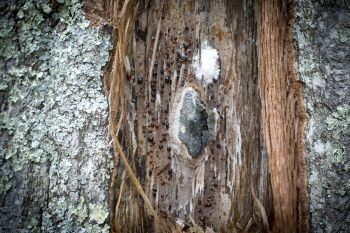
Once a tree is infected; the fungus may fruit, creating distinct, gray to black fungal pads under the tree’s bark. Fungal spores can be picked up by sap-feeding nitidulid beetles attracted by the pads’ yeasty odor. Sap beetles spread oak wilt when they visit pruned or damaged oaks to feed on their exposed sap.
Oak wilt often is first identified when green leaves turn yellow or brown on the edges and begin to drop during the summer. Oak wilt fungus is a gray and black oak wilt fungal pad found under the bark of an infected oak tree.
Infected oaks can spread the disease to other oaks through underground root connections or grafts, creating an expanding circle of dead trees.
The DNR urges people to avoid the high-risk period. Research demonstrates April 15 through July 15 is the high-risk period for oak wilt infection in Michigan because nitidulid beetles are very active and lots of fresh oak wilt spore mats are available. During this time, pruning or damaging oak trees should be avoided to prevent infections.
The Department says winter is the ideal time to prune trees because nitidulid beetles and other pests that cause harmful tree diseases are less active in cold temperatures.
Landscaping and construction projects that can damage oaks also should be avoided during the high-risk period. When possible, choosing to postpone land clearing or use of heavy equipment around oak trees until the winter helps avoid a potential low risk of infection that can persist into late summer.
White oaks, those with rounded leaves, are also susceptible to oak wilt but may survive for several years or succumb more slowly before dying.
Researchers from Michigan State University detected the oak wilt fungus in an orchard of dying colossal chestnut trees in 2022, suggesting that some chestnut trees, part of the same family as oaks (Fagaceae), also can be infected.
As for where oak wilt is in Michigan; the DNR maintains an interactive online map for viewing verified, reported, and treated locations of oak wilt across the state. The tool can also be used to report suspected oak wilt infections.
The DNR offered the following additional tips on what can be done:
-If oak trees need pruning, trimming or removal, plan these activities for winter months when possible.
-If construction or removal of other trees may damage nearby oaks, perform these activities outside of the high-risk period, April 15 to July 15.
-If oaks are damaged during the high-risk period, immediately cover wounds with tree wound paint or a latex-based paint.
-Don’t move firewood, especially if it comes from oak wilt-killed trees, as it can harbor and spread the fungus.
More information about oak wilt is available in the provided links.