




Analysis: Nationwide Ground Stop Cost Travelers Nearly $2 Billion
November 20, 2026
Jessica Mathews / news@whmi.com
The nationwide ground stop ordered by the Federal Aviation Administration (FAA) last Friday cost air travelers more than $1.9 (B) billion in lost time and related expenses. That’s according to new analysis from Anderson Economic Group (AEG).
AEG’s estimate covers excess flight delays and cancellations from Friday, November 13th through Monday, November 16th.
Additional findings include:
• Flight cancellations cost passengers almost $1.6 billion, the largest share of the total. AEG’s analysis assumes airlines rebooked most of these passengers on later flights. Lost time with lodging, meals, and ground transportation cost those passengers $1.3 billion. Passengers who abandoned their trips lost at least $240 million in forgone trip value.
• Costs borne by passengers with delayed flights totaled $378 million.
AEG Senior Analyst Anh Do said “The hours-long ground stop cost travelers nearly $2 billion, much of it in extra travel time they would rather spend on business or leisure at their destinations. Many travelers also paid out of pocket for hotel rooms, meals, and rides, while some gave up their trips entirely. Our estimates provide a fuller picture of the cost of flight disruptions to those who experience them.”
On Friday, November 13th alone, nearly 10,000 flights were canceled and thousands more were delayed.
Over the four days from last Friday through Monday, the toll rose to 35,000 delays and 20,000 cancellations, according to AEG analysis of FlightAware data. That marked a sharp increase over typical daily levels, particularly for cancellations.
Tyler Theile, COO and director of public policy and economic analysis at AEG, said “We built this estimate to be conservative. AEG’s analysis counts only the costs passengers fully bear, meaning hours lost to delays, and for cancellations, time spent waiting plus hotels, meals, and rides. For travelers who gave up their trips, we valued the lost trip at what it would have cost to take, even though most trips are worth considerably more. That means the true cost to passengers is likely higher than our figures show, not lower.”
AEG compiled counts of delayed and canceled flights within, into, and out of the United States from FlightAware.
AEG measured excess delays and cancellations against historical daily averages, so that disruptions that would have occurred anyway are not attributed to the ground stop.
Supporting data came from the Bureau of Transportation Statistics (BTS), the U.S. Department of Transportation (DOT), the Federal Aviation Administration (FAA), the Bureau of Labor Statistics (BLS), and the Federal Reserve Bank of St. Louis (FRED).
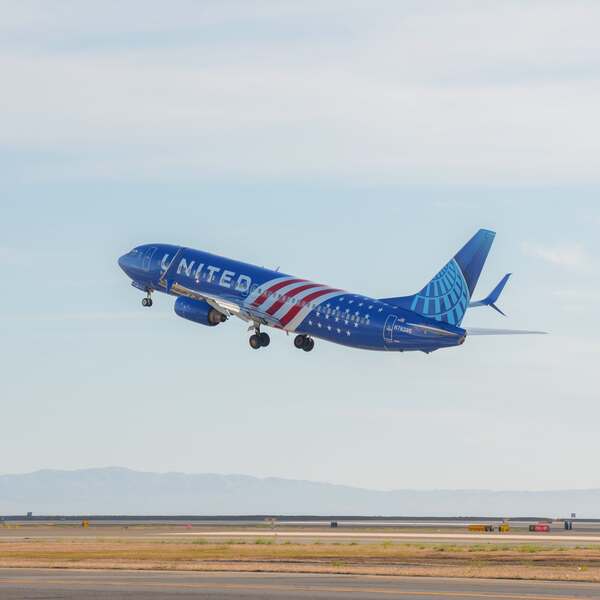
United Airlines Facebook photo.