




AAA Michigan: 4/20 Day Creates “High Stakes On The Road”
April 20, 2026
Jessica Mathews / news@whmi.com
AAA Michigan warns the cannabis holiday 4/20 brings a high risk to roadways as more people celebrate.
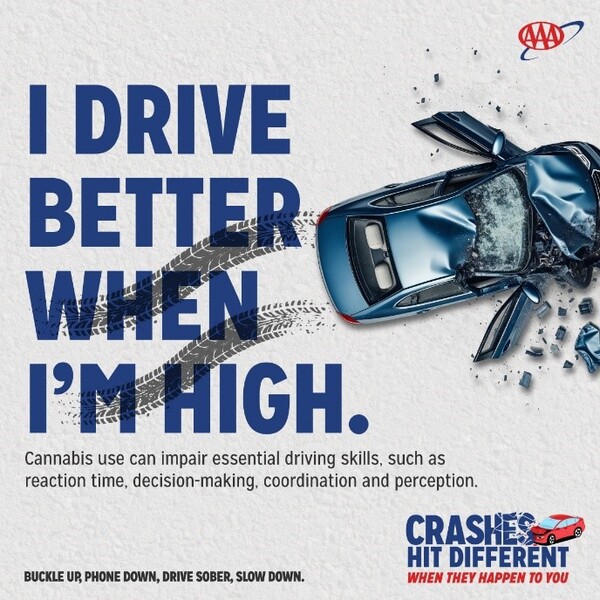
The Auto Club Group says it’s warning drivers about the dangers of driving high and urges anyone who is impaired to stay off the road.
AAA Spokeswoman Adrienne Woodland said "Regardless of whether cannabis is being used for medicinal or recreational purposes, driving under the influence of the drug is illegal and extremely dangerous. When you drive high, your reflexes, focus, and decision-making can all go up in smoke. That choice puts everyone else on the road at risk.”
-Drivers Often Underestimate Cannabis Impairment
New AAA survey data shows most Michigan drivers recognize cannabis can affect driving ability.
63% percent say cannabis impairs a driver’s ability to react quickly and make safe decisions. Even so, perception gaps remain. More than one in four Michiganders (29%) believe driving after using cannabis is less dangerous than driving after drinking alcohol, a belief AAA says can lead drivers to underestimate impairment.
Opinions also diverge on accountability. More than half of Michiganders (54%) say cannabis impaired driving should carry the same penalties as an alcohol DUI, while 28% support lighter penalties.
Woodland said “Impairment is impairment, regardless of the substance. No driver should gamble with their life or someone else’s because they assume cannabis affects them differently.”
AAA urges anyone celebrating 4/20 to make transportation plans before consuming cannabis. Options include a designated driver, rideshare service, public transportation, or waiting until fully sober before driving. AAA stresses there is no safe amount of cannabis use before getting behind the wheel.
-Crashes Hit Different
The effort to educate motorists about the dangers of impaired driving and other risky driving behaviors is part of AAA – The Auto Club Group’s traffic safety campaign “Crashes Hit Different.” On average, someone is killed in a car crash every 12 minutes on the nation’s roads, primarily due to four factors: impairment, distraction, speed, and not wearing a seatbelt.