




“Bee Kind” At Summer Bee Palooza 2026
August 29, 2026
Jessica Mathews / news@whmi.com
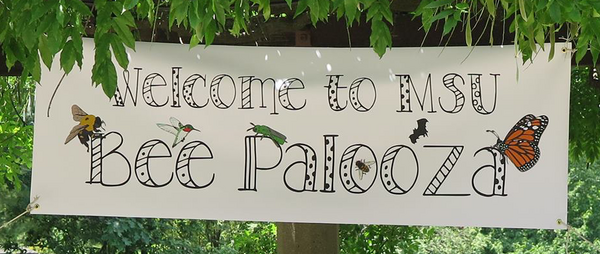
The 13th annual Bee Palooza pollinator celebration is back for another “un-bee-lievably fun afternoon” this Sunday.
Presented by the Department of Entomology at Michigan State University, Bee Palooza is a free event for all ages.
This year’s theme is “Bee Kind" - focusing on supporting Michigan native pollinators and plants.
The event is at the MSU Horticulture Gardens, 1066 Bogue Street in East Lansing, on Sunday, from 1 to 4pm.
Bee Palooza is free and open to the public, making it an accessible way for everyone to learn about and contribute to pollinator conservation efforts.
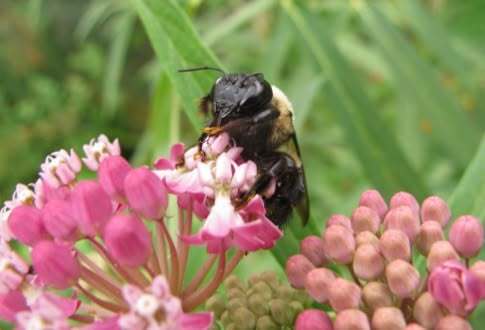
Bee Palooza 2026” promises an educational and fun-filled day for anyone interested in the vital role of pollinators in our ecosystem. The event aims to raise awareness about the challenges faced by pollinators and inspire action to protect these crucial contributors to biodiversity and agriculture. The event will highlight bees that are critical to the pollination of native plants, like masked bees that pollinate milkweeds”.
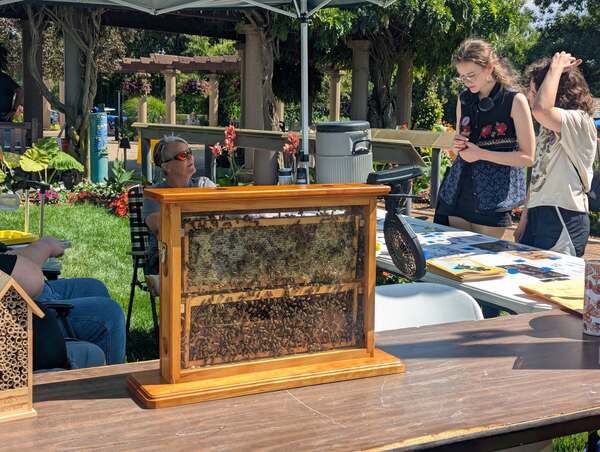
Attendees will have the opportunity to explore interactive exhibits showcasing the diversity of pollinators and their habitats, learn about social bee colonies, participate in educational workshops led by experts in bee conservation, and learn practical tips for creating pollinator-friendly gardens.
There will be an interactive BioBlitz, where guests can record bees they see for entry into the iNaturalist database.
Other aspects of the event include helping attendees conquer their fears at the bee petting zoo.
Visitors can try some tasty pollinator-themed ice cream, and kids (and the young at heart) can visit the pollinator-themed face-painting booth. Throughout the event, visitors can visit displays and talk to MSU entomologists to answer pollinator-related questions.
Parking is free in most MSU campus lots on the weekends. There are accessible entrances to the gardens from the parking options to the east (Lot 54) on Bogue Street and west (Lot 46) off Wilson Road.
Bee Palooza is possible thanks to sponsors and the volunteers from the Department of Entomology at Michigan State University.
More information in the provided links.