




Sheriff: Agreement with Federal Immigration Officials Opens Door to Possible Grant Money
July 29, 2026
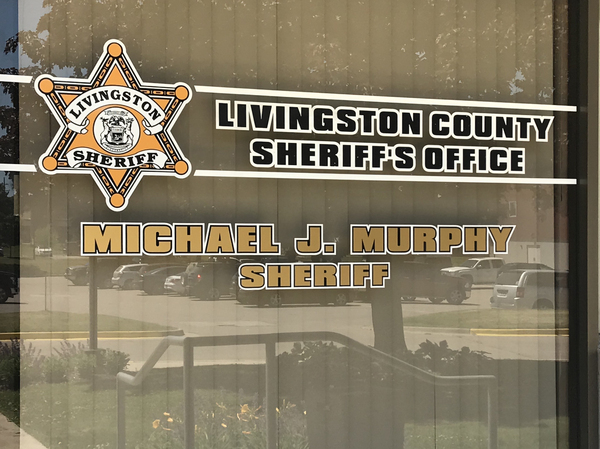
Nik Rajkovic / news@whmi.com
Livingston County Sheriff Mike Murphy continues to defend a recent agreement his department signed with federal immigration officials, saying the only difference now is his department is eligible for grant money for things like body cameras, a new mobile command center and other equipment.
“As part of the criteria for that grant money, you had to have a 287(g) in place, or be working on having one in place. So, it’s a no-brainer,” the sheriff told WHMI News.
“We’re already doing business that way. Here’s an opportunity to get about $7.5 million in equipment. Why wouldn’t we do that?”
The agreement put in place earlier this month drew criticism during a recent county board meeting, where dozens spoke against the local sheriff’s office working with ICE.
“Everybody’s hair is on fire for the wrong reasons,” said Murphy.
He explained that a 287(g) agreement comes in three variations:
• Jail enforcement model: Authorizes designated officers to screen individuals in local custody for their immigration status, question them, and initiate removal proceedings.
• Warrant service officer model: A streamlined version that allows trained officers to serve and execute ICE administrative warrants on individuals already in jail.
• Task force model: Permits deputized local police and highway patrol officers to proactively investigate and enforce immigration laws during routine community encounters and patrols.
The sheriff said Livingston County has opted for the warrant service officer model, which it has already been using for decades.
“It basically says we can hold that person and advise them of the warrant so ICE can come pick them up. It’s just that simple. It’s the way that we’ve been doing business for a long time. Forever. Since the 30 some years that I’ve been here,” said Murphy.
The sheriff said those opposing the agreement may not fully understand it.
“For those folks that showed up at the county commission meeting to complain and tell me how to do my job, I’ll save you some energy and effort there. Don’t go there,” he said.
“They (commissioners) don’t control the sheriff’s office. That’s my job. They control the purse strings. We have to work together. I have a good relationship with them. But they can’t tell me how to do business, or how to run my day-to-day operations.”
Murphy said anyone with a complaint or question about the policy can contact him directly the sheriff’s office.