




State Health Officials: Lyme Disease Cases Qaudrupled Across Michigan
April 21, 2026
Nik Rajkovic / news@whmi.com
The Michigan Department of Health and Human Services is encouraging Michigan residents to take steps to avoid tick bites while enjoying the outdoors. Tick-borne diseases, particularly Lyme disease and anaplasmosis, are increasing across the state.
Cases in Michigan have surged nearly 300% over the past three years as tick populations expand across the state. The state reported 553 confirmed cases in 2022, to more than 2,100 cases in 2025.
More than 60 Michigan counties now have a known risk for Lyme disease, with another 17 counties having a potential risk.
Lyme disease, caused by the bacterium Borrelia burgdorferi, is the most common tick-borne disease in Michigan. Anaplasmosis, caused by the bacterium Anaplasma phagocytophilum, is the second most common tick-borne disease and cases are increasing, particularly in the northern parts of the state.
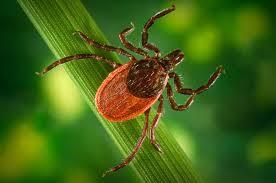
Both Lyme Disease and anaplasmosis are transmitted by Ixodes scapularis, commonly known as the blacklegged or deer tick. The blacklegged tick is well-established in parts of Michigan’s Upper and Lower Peninsulas and has been expanding its range over the years.
Signs and symptoms of tick-borne disease typically begin one to two weeks after a tick bite, often after being in wooded or brushy areas where ticks commonly live. Early symptoms can be non-specific and include fever or chills, rash, headache, fatigue and muscle aches. Early treatment with appropriate antibiotics can decrease the risk of serious complications.
The best way to prevent tick bites is to use bug spray when you go outside in wooded or long grassy areas, wear light colored long sleeves and pants, tuck your pantlegs into your socks, if possible, and always check yourself and your clothing for ticks.
Not all ticks spread the same germs. MDHHS can help to identify ticks you may encounter. Residents can email photos of ticks to MDHHS-Bugs@michigan.gov for identification. Michigan citizens can also submit ticks to MDHHS for identification free of charge.
For more information on Lyme disease and other tickborne conditions, or how to submit your tick and/or photo of a tick, visit the link below.